

How do you know you are ready for a serious relationship and a family?
Readiness for family is not a matter of age or timing. A calm look at the inner signs, the honest questions worth asking yourself, and the moments when waiting is the wiser choice.
Baxtlilar editorial team · 5 min read · 10/14/2026
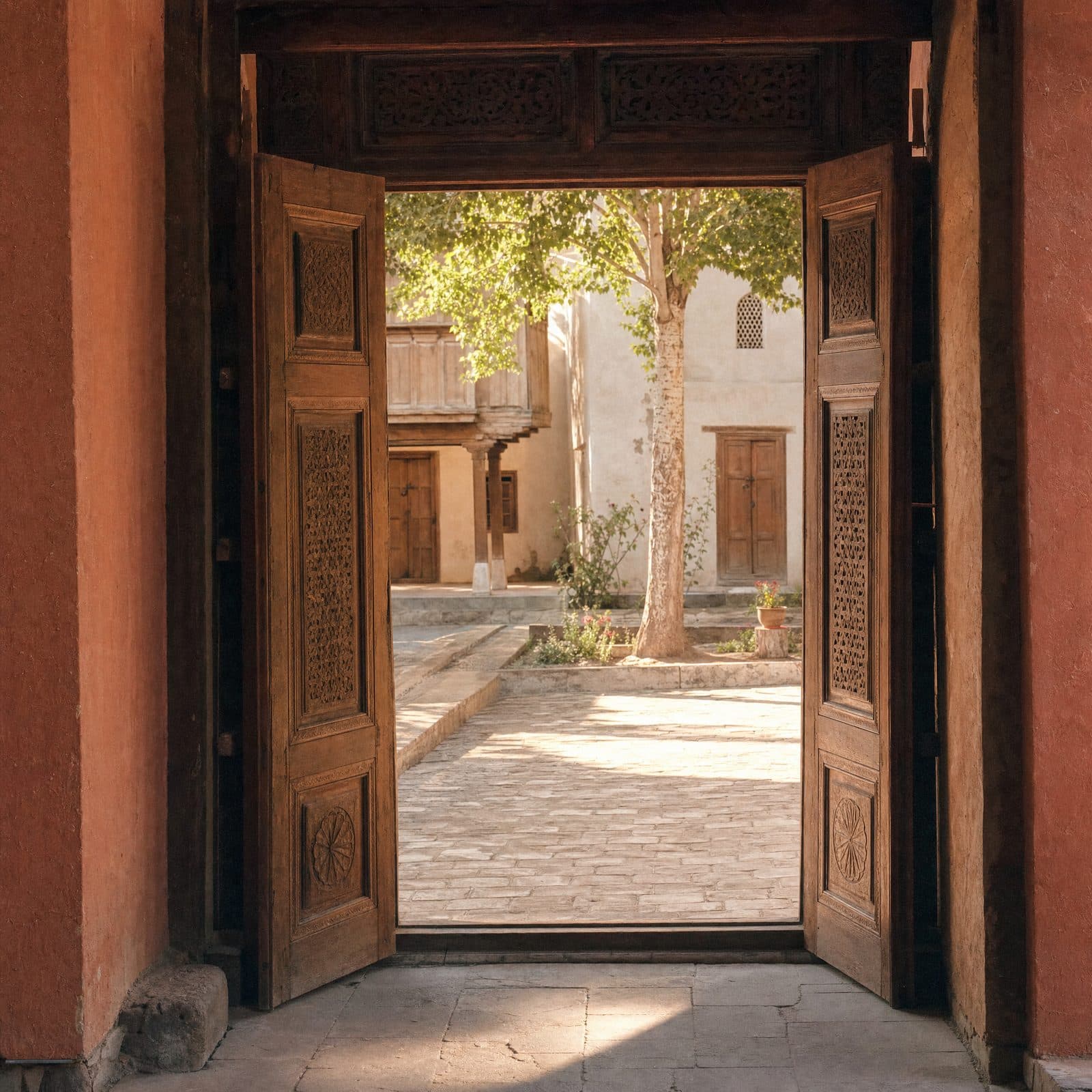
For many of us, the idea of marriage arrives from the outside before it arrives from within. Relatives ask about it at every family gathering, friends announce their weddings, and parents mention grandchildren more often. All of this comes from a good place. Still, feeling that it is "time" and actually being ready are two different things. Here is how to tell them apart, what to ask yourself, and when it is more honest to wait.
Readiness is not a number
We often tie readiness to milestones: finishing a degree, landing a stable job, saving for a home. These steps make life calmer, but they do not mean you are ready to share that life with someone. Some people get there in their early twenties, others after thirty-five, and neither path is more correct.
Readiness is an inner state. It begins with a willingness to let another person into your life, to make decisions together, and to share responsibility as equals.
Signs that you may be ready
These are points for reflection, not a test. If most of them feel familiar, that is a good sign.
- You want to build something with another person, not escape loneliness.
- You can put your values into words: how you see family, faith, work, raising children and free time.
- You are willing to share your time, income and plans, and you do not experience this as losing yourself.
- You can accept someone as they are, without making it your project to change them.
- You can hear "no" calmly, knowing that a refusal says nothing about your worth.
- In a disagreement, you can talk it through instead of shouting or going silent for days.
Questions worth asking yourself
Write your answers down. A thought on paper is clearer than a thought in your head. The answers do not need to be polished, only honest.
- Why do I want to start a family now: because I want it, or because others expect it?
- Which three values matter most to me in a family?
- Where do I see myself living: with my parents, on our own, in another city or another country?
- How do I see money in a family: who works, how expenses are shared, how I feel about debt?
- What do I think about having children, and how much room do I have for compromise here?
- What did my past relationships teach me, and who have they helped me become?
Parents, family and a decision that is still yours
In Uzbek families, a marriage joins two families, not just two people. A parent’s blessing, the experience of older relatives and the respect of the wider community can be a real source of strength for a young couple. Whether your parents live nearby or several time zones away, an honest, respectful talk with them about your plans is part of being ready.
Respect and pressure are not the same thing, though. If the wish to marry rests mostly on other people’s expectations, pause and give yourself an honest answer. The strongest decisions are the ones your family supports and you make yourself, with your eyes open.
If you have been married before or have children
People who are divorced, widowed or raising children have exactly the same right to a serious relationship and a new family as anyone else. Past experience does not make you "less ready". Often it helps you see clearly what you want and what you will no longer accept.
A few extra questions can help here: can I talk about the past calmly, what routine and atmosphere does my child need, and when and how would it be right to introduce them to someone new? They are not there to hold you back, but to help you choose with care.
Being ready does not mean being perfect. It means knowing yourself and being open to respecting someone else.
When it is wiser to wait
Sometimes the most mature decision is to give yourself time. It may be worth slowing down if:
- the main reason to marry is to make the questions stop;
- a past relationship is still unresolved and keeps returning to your thoughts;
- you expect a future spouse to solve the problems in your life;
- you barely have time for yourself, and that is unlikely to change soon.
Waiting is not a failure. It is a form of respect for your future family and for the person you will build it with.
Practical steps for the next few weeks
- Write your values and your plans for the next few years on a single page.
- Talk them over with someone you trust: a parent, an older sibling or a long-time friend.
- Separate what is non-negotiable for you from what you are open to discussing.
- Think ahead about what to ask at a first serious meeting and what to share about yourself.
How Baxtlilar fits in
Baxtlilar is a platform for serious introductions between people who intend to build a family. Its detailed questionnaire is built around these very themes: family and plans, values, lifestyle and expectations. Answers are saved automatically, so you can return to it at your own pace.
Essential conditions work both ways: you need to suit the other person, and they need to suit you. You decide which conditions are essential, while your other preferences only affect the order of recommendations. If you feel you need time to think, you can pause your recommendations: no new ones will arrive, and your current chats stay open.
How the questionnaire and compatibility work
Baxtlilar does not promise a reply, a relationship or a marriage: decisions belong to the people themselves. What the platform can do is make getting to know someone clear, intentional and respectful.
Be honest with yourself and take your time. If you can answer these questions calmly, it may be the right moment for a first step toward a serious introduction.